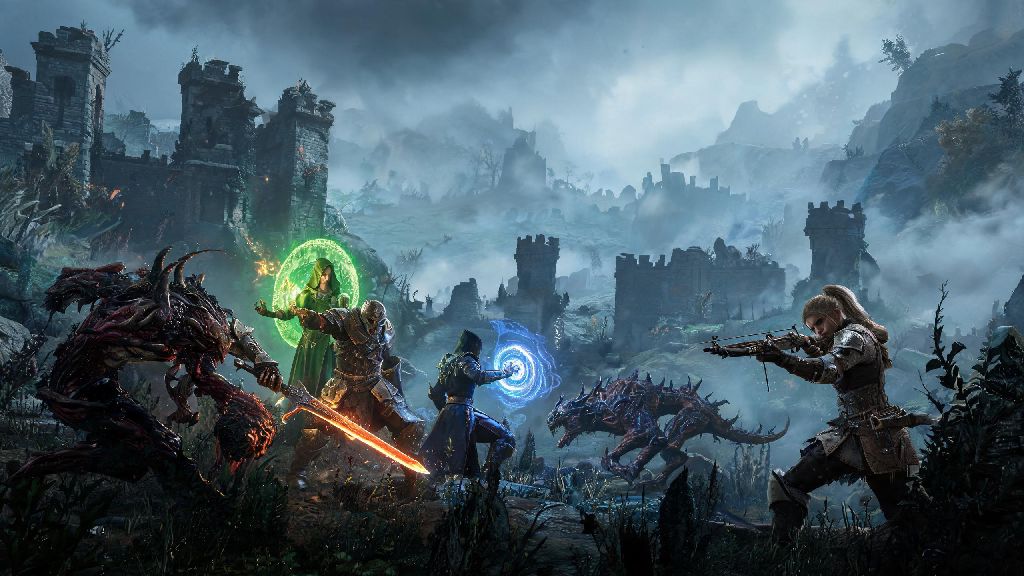
If you’ve spent even a few hours wandering Enshrouded’s foggy, post-apocalyptic valleys and fighting off corrupted creatures, you’ve probably asked: are there classes in Enshrouded? Unlike many traditional survival or RPG games that lock you into a single role at character creation, Enshrouded takes a far more flexible approach to character progression. I’ve put over 120 hours into the game across multiple playthroughs, testing every possible build path to break down exactly how the system works, what limitations you might face, and how to build a character that feels totally unique to you. I’ll also clear up common misconceptions about fixed classes, so you don’t waste skill points on abilities you won’t actually use.
Are There Classes in Enshrouded? Breaking Down the Core Progression System
Let’s get the most common question out of the way first: no, Enshrouded does not have rigid, pre-defined classes that you pick when you first make your character. You won’t have to choose between a mage, warrior, or archer before you even get a feel for what playstyle you enjoy most. That’s a deliberate design choice from Keen Games, who wanted to let players experiment without being stuck with a bad fit 20 hours into their playthrough. You can mix and match skills from every skill tree as you level up, with no restrictions on what abilities you can unlock. I started my first playthrough thinking I’d be a pure melee build, but switched to a hybrid fire mage/axe user by hour 30, and I never had to reset my progress to do it. The only real limit is the total number of skill points you can earn, which caps out at around 120 when you hit max level and complete all skill point challenges scattered across the map. Even if you prefer the structure of fixed classes in other RPGs, you don’t have to give that up just because the answer to are there classes in Enshrouded is no rigid pre-set roles.
The 3 Core Skill Trees That Act as Loose Class Paths
While there are no fixed classes, Enshrouded’s skill system is split into three distinct trees that align with common RPG archetypes. You can put all your points into one tree for a focused, “class-like” build, or spread points across multiple trees to make a hybrid. Each tree has unique passive and active abilities that cater to specific playstyles, so it’s easy to lean into the role you enjoy most. The three core trees are:
You don’t have to stick to just one, though. I’ve had a ton of fun with a dexterity/magic hybrid that uses a bow to pick off enemies from far away, then switches to a fire staff to clear groups of smaller mobs that get too close. There’s no penalty for mixing trees, so don’t be afraid to experiment if you get bored of a single playstyle.
How to Build a "Class-like" Character That Fits Your Playstyle
If you prefer the structure of a traditional class, you can easily build your character to match a standard RPG role by focusing most of your skill points in one tree. The key is to pair your skill point choices with matching gear and weapon upgrades, so your build feels cohesive and powerful. For a pure warrior class build, put 80% of your points in the strength tree, and pair it with heavy armor and a two-handed hammer or axe. You’ll be nearly unkillable in close combat, and you can break through building and resource nodes far faster than other builds, which is a huge bonus for base building. If you want a pure mage build, focus most of your points in the magic tree, use light armor that gives mana regeneration bonuses, and upgrade your staff to unlock higher tier elemental spells. One thing to note: pure magic builds can be squishy early on, so I recommend putting at least 5 points in the strength tree to get a small health boost until you get better gear. For a rogue or ranger build, focus on dexterity, light stealth armor, and a fully upgraded longbow. You’ll be able to take down most common enemies with a single headshot before they even see you, which is perfect for exploring dangerous shrouded areas without drawing too much attention. You can always reset your skill points for a small resource cost later if you decide you don’t like the build you picked, so there’s very little risk in trying something new.
Common Class Build Mistakes to Avoid in Enshrouded
After testing dozens of builds across multiple playthroughs, I’ve run into a lot of common mistakes that can make your character feel underpowered, even if you’re focusing on a single skill tree. First, don’t spread your skill points too thin across all three trees early on. You only get a handful of skill points in the first 10 levels, so putting 2 points in each tree will leave you with no meaningful bonuses to any playstyle. Pick one core tree to focus on for the first 20 levels, then start branching out if you want to make a hybrid build later. Second, don’t ignore passive abilities in favor of flashy active skills. A 10% passive boost to all weapon damage will give you far more consistent value than a single active ability you only use once every 5 minutes. Always unlock the passive bonuses in your core skill tree first before you spend points on active abilities. Third, don’t forget to match your gear to your build. It doesn’t matter if you have a maxed out magic skill tree if you’re wearing heavy strength armor that gives you -20% mana regeneration. Check the stat bonuses on every piece of gear you pick up, and swap out pieces that don’t align with your build as soon as you find better options. Another common mistake new players make when wondering are there classes in Enshrouded is assuming they have to pick one tree and never branch out. Even dedicated melee builds can benefit from a few points in the magic tree to unlock basic healing spells, for example, so don’t box yourself in unnecessarily. If you’re playing co-op, coordinate builds with your team so you have a good mix of roles. It’s way more fun to have a tank, healer, and damage dealer in your group instead of four players all running the same melee build.
At the end of the day, the question of are there classes in Enshrouded has a more nuanced answer than a simple yes or no. There are no rigid, pre-set classes that lock you into a role, but the three core skill trees let you build a character that functions just like a traditional RPG class if that’s what you prefer. The flexible system is one of Enshrouded’s biggest strengths, because it lets you adjust your playstyle as you progress through the game instead of forcing you to stick to a choice you made when you first logged on. Don’t be afraid to experiment with different combinations of skills and gear, and you’ll end up with a character that feels totally unique to you. If you’re not sure where to start, try out a few different weapons in the first few hours of the game to see what feels most fun, then build your skill tree around that preference.